History of the NLP
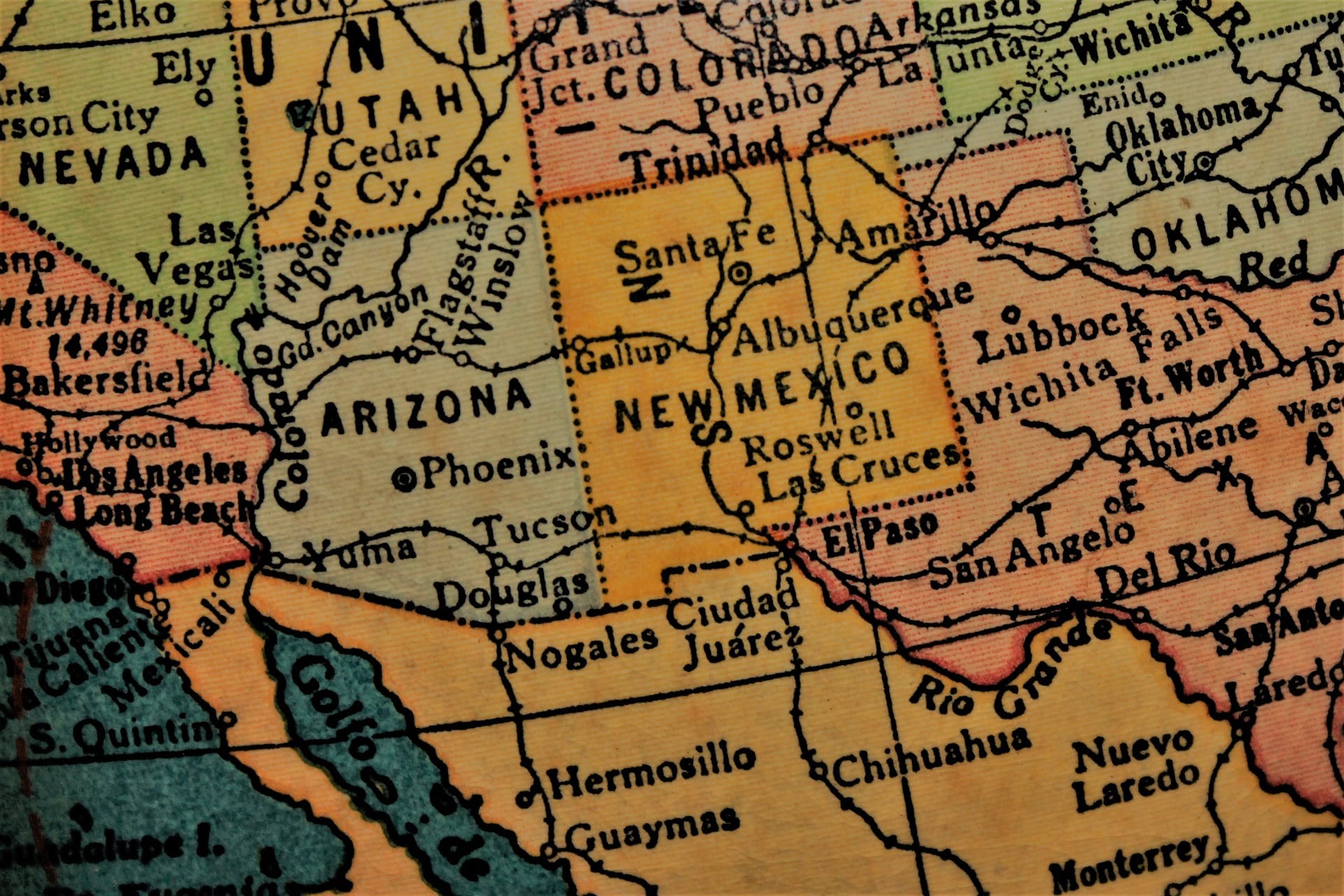
Edgar Lee Hewett, an ethnologist with the School of American Archeology at the Archeological Institute of America in Santa Fe, met and hired John P. Harrington in 1909. Harrington, a linguist, was doing research on and working with Native American languages in the Southwest during this time. From September 1911…Read More

“In the 1930’s, the Bureau of Indian Affairs [BIA] under the leadership of Willard Beatty, decided to try teaching Navajo children bilingually. Beatty asked for help from the Smithsonian Institution, which [connected him with the] linguist John P. Harrington… Harrington started to work with Robert W. Young, a young graduate…Read More

“In the autumn of 1937, Young… developed the official government orthography [for Navajo] together with his Navajo co-worker William P. Morgan, and Harrington, with the help of the anthropologist and novelist Oliver LaFarge. This orthography was used in reading and teaching materials in the spring of 1940, and a number…Read More
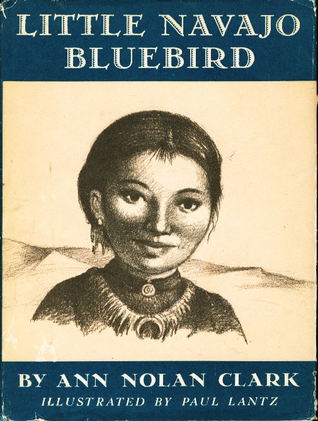
During the 1940’s, Ann Nolan Clark, who worked for the Bureau of Indian Affairs (BIA), published a couple of children’s books in Navajo that were translated by Robert W. Young and J.P. Harrington. This was just one of several projects that Young and Harrington collaborated on. For example, Harrington’s writings…Read More

During the 1940’s & WWII, “Few Navajos… spoke or understood English, with the result that supervisors and others who came in contact with them began to demand a dictionary in the hope of learning enough Navajo to meet basic communication needs. To meet this demand, the data that had been…Read More

“The Vocabulary of Colloquial Navajo, published in 1950 as a supplement to The Navajo Language, did include a wealth of sentence examples for each verb entry, and it was the intention of the authors that the two lexical works might sometime be combined and expanded—an intention that did not become…Read More
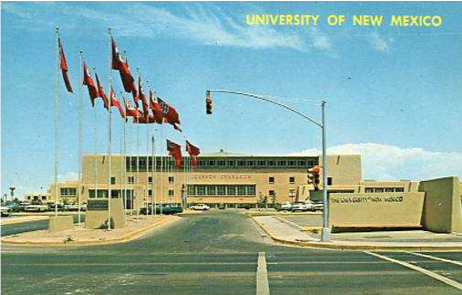
In 1968-69, the Linguistics Department at UNM was “unofficially” established as an amorphous, interdisciplinary program sponsored by various departments and associates. As one account recalls, “[A UNM administrative report] led directly to the hiring in 1968 of [Dr.] Bernard Spolsky, a young applied linguist who was already establishing a strong…Read More

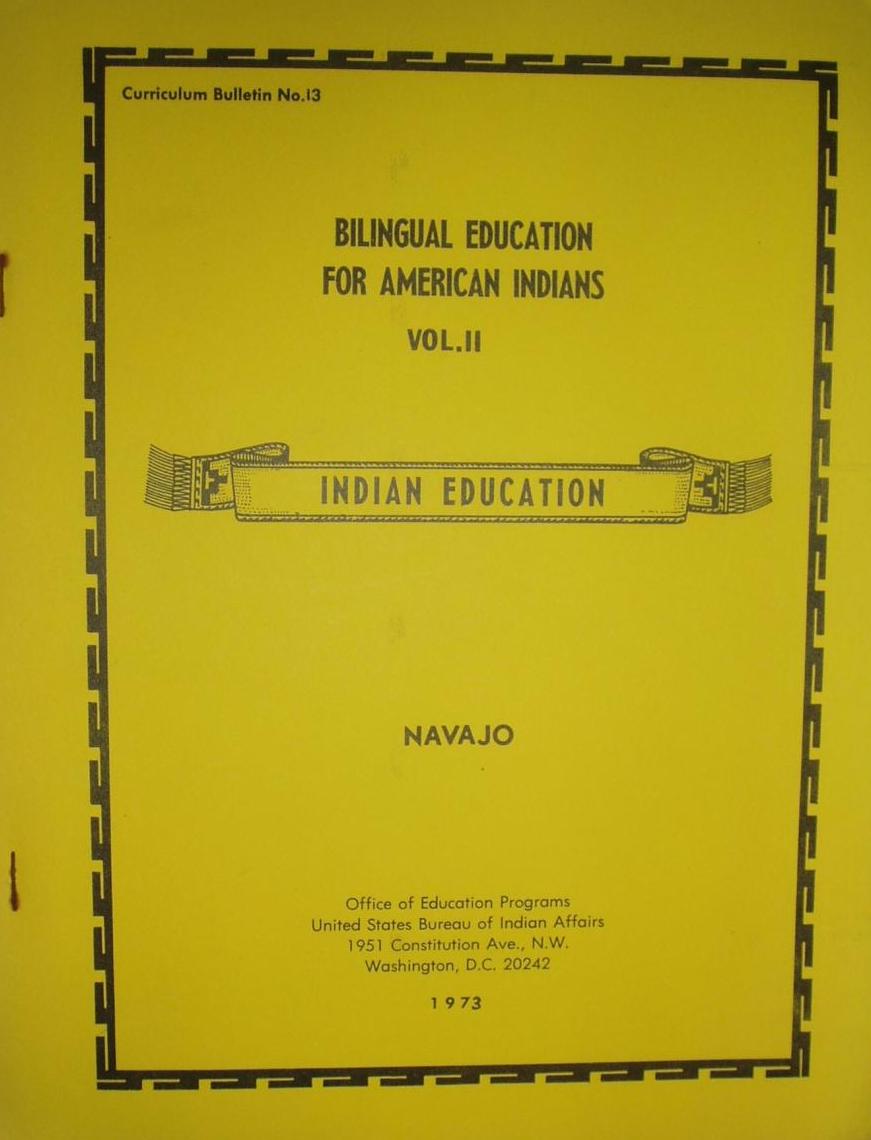
“Another vital feature of the Department of [Linguistics’ early history (i.e. when it was still a program)] is the variety of major projects sponsored. Chief among these projects was the Navajo Reading Study project, which [Dr. Bernard] Spolsky directed from 1969 to 1977 with over a million dollars of support…Read More
Throughout the 1970’s, due to Dr. Bernard Spolsky’s support for Navajo language research, Dr. Robert W. Young and Dr. William Morgan, Sr., were hired as visiting lecturers / researchers (UNM Departmental MS). This happened in various stages: 1971-72: Dr. Robert W. Young was appointed as a visiting lecturer of Navajo…Read More

The first edition of the monumental The Navajo Language: A Grammar and Colloquial Dictionary by Dr. Robert W. Young and Dr. William Morgan, Sr., was published by UNM Press in 1980. As Garland Bills noted, this publication was largely possible due to additional funding that came to the NLP as…Read More

In 1980, Roseann Willink joined UNM as a visiting instructor of Navajo. She continued to teach classes as part of the Navajo Language Program until her retirement in Spring 2009. From 1980 to 1988, Robert W. Young was an Emeritus Professor at UNM who continued to work as an Adjunct…Read More

In 1988, the Department of Linguistics finally became a bona fide, independent department through the efforts of Professor Alan Hudson and other supporters. The Navajo Language Program and Sign Language Interpreter programs were officially integrated into the department during this time as well. “…discussions had been going on for a…Read More

Dr. Robert W. Young and Dr. William Morgan, Sr. were honored in a public ceremony by the Navajo Nation Council in Window Rock, AZ, on July 17, 1996. During the ceremony, they were robed with traditional Pendleton Chieftain’s robes and presented jeweled plaques. The Council recognized Young and Morgan “for…Read More
Through Roseann Willink’s efforts and support, the Navajo Language Program established an undergraduate minor in Navajo Language studies in 2003, with hopes of eventually expanding to include a major.

In Fall 2005, the NLP celebrated its 35th anniversary. Dr. Robert W. Young was honored during the celebrations for his many contributions to the Linguistics Department and to the NLP.

In 2006, Dr. Robert W. Young was honored with the Linguistic Society of America’s Kenneth L. Hale Award for his work documenting the Navajo language. He was the 2nd recipient of the award after its creation in 2002.
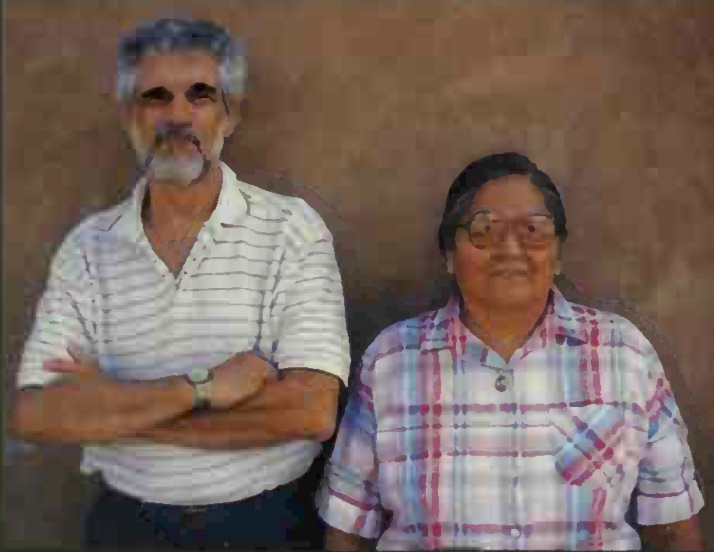
In Spring 2009, Roseann Willink retired from the Navajo Language Program with honors; she had taught at UNM for more than 30 years.

In 2010, the NLP trialed hosting an online class for Navajo 101. This class proved extremely popular, especially with students who were not at the main UNM campus. It eventually became one of the essential classes in the program and demonstrated the high demand for 100 level Navajo classes.
The NLP cohosted the 18th Annual Stabilizing Indigenous Languages Symposium at UNM on May 20-22, 2011.

In April 2020, the Navajo Language Program celebrated its 50th anniversary. Special recognition and celebration took place during the 14th High Desert Linguistics Society Conference on November 20, 2020.